
IGP Côtes Catalanes: innovation and future proofing in Roussillon
Roussillon’s savoir-faire and winemaking heritage are safeguarded by regional AOP rules that act as custodians of styles and help guide consumer choices.
If Roussillon’s 16 AOPs provide a diverse palette to work with, what of experimentation, innovation and rule bending? Roussillon is a hot bed for all the latter, thanks in part to the IGP category.
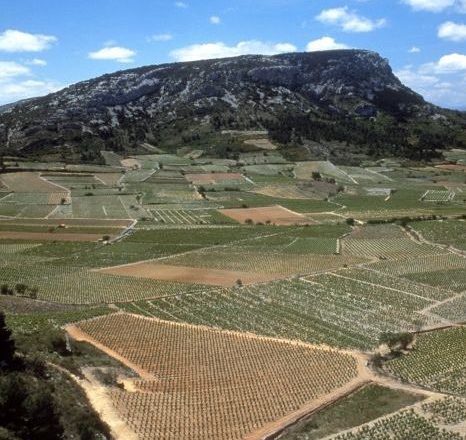
IGP Côtes Catalanes represents around 65% of Roussillon’s IGP wine production. It covers over 4,000 hectares in the eastern Pyrénées department and stretches over 118 communes.
Unlike the more strictly regulated AOPs, IGP Côtes Catalanes gives winemakers greater freedom in grape variety selection, blending, vinification, and also, most importantly, allows single-varietal bottlings.
The increased flexibility to pursue varietal character, express specific terroirs, and show off the potential of old vines, has made IGP Côtes Catalanes an exciting denomination for many experimental producers as well as household names.
Single varietal old-vine Grenaches Noirs and Carignans, 100% Syrah grown on specific plots, 100% Grenache Blanc or Grenache Gris, White blends, Orange wines are some of the exciting IGP styles that have, in recent years, help grow the region’s reputation as a serious fine wine producer.
Maximum authorised yields are 90hl/hectare for IGP Côtes Catalanes (the same as for all French IGPs). In practice however, yields are much smaller: 25hl/hectares in 2025.
The appellation produces reds from black Grenache, Syrah, black Carignan, Mourvèdre, Lledoner Pelut and other local and international varieties. Styles range from easy drinking fruity reds to rich, broody wines with ripe black fruit, wild Mediterranean herbs (Garrigue) boasting ripeness, structure and Roussillon’s signature freshness.
The same varietals are used in the production of IGP Côtes Catalanes rosés to make fresh fruity Mediterranean rosé bursting with red berries and floral aromas.
For whites, freshness and minerality dominate. Grenache Blanc, Grenache Gris, Macabeu, Muscat d’Alexandrie, Muscat à petits grains, Chardonnay, Marsanne, Roussanne, Vermentino or Viognier are popular choices with winemakers.
One of Roussillon’s beautiful oddities, Rancio Sec, also falls under the IGP Côtes Catalanes’ banner. The traditional oxidative style is aged for extended periods, developing nutty and dried-fruit flavours, backed by backbone acidity. It has gained somewhat of a following in the sommelier community.
Looking ahead, IGP Côtes Catalanes is future proofing Roussillon’s ability to continue to produce quality wine and face global climate uncertainty.
The introduction of new drought-resistant varietals from other Mediterranean countries like Italy, Greece or Spain allow producers to experiment with grapes like Agiorgitiko, Alvarinho, Xarello, Montepulciano, Saperavi and Assyrtiko. Disease-resistant varietals like Souvignier Gris, Floreal, Voltis, Vidoc, Artaban, Bronner, Monarch, or Prior are also providing new options for the region’s winemakers.
IGP Côtes Catalanes in the press: check out Mina Holland’s recent article in The Guardian.